Winters in Dover don’t mess around. Between the steady snowfall, frigid temps, and heavy ice storms, your roof has a lot to withstand. One major concern during this time of year is a roof collapse. It’s not something most folks think about until it happens, but the risk is real and preventable when you know the signs. Whether you’re dealing with an older roof or just a severe winter season, keeping an eye out for warning clues could save you from serious structural damage and a much bigger headache later on.
The good news is, your roof usually gives you some clear signs before it reaches the point of failure. From odd sounds at night to changes in your ceiling, there are red flags you can spot if you know what to look for. This article covers those warning signs so homeowners in Dover can stay ahead of the problem and act quickly if something seems off.
Heavy Snow Accumulation
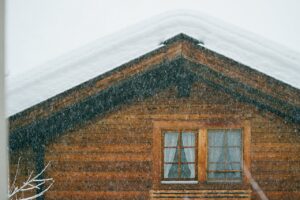
One of the most common triggers for winter roof collapse is heavy snow buildup. Snow may look light and fluffy when it first falls, but once it piles up and hardens, especially after a freeze-thaw cycle, it can weigh hundreds of pounds. That much pressure sitting too long on shingles or structural supports can push a roof to its breaking point.
Here’s how to tell when there might be too much snow sitting on your roof:
– Doors inside your home suddenly start sticking or won’t close smoothly
– You hear strange creaking, popping, or shifting noises from above
– The roof starts to look uneven or bowed when viewed from the ground
– Water starts leaking from unexpected places
If you’ve noticed any of these, it’s time to act. Safely clearing excess snow is a smart move, but it has to be done the right way. Avoid climbing up there with a shovel unless you’ve got proper safety gear and training. Using a roof rake from the ground is a safer approach for most homeowners. Rake evenly from the edges up toward the ridge to avoid creating unbalanced load areas. Never chip away at ice dams with sharp objects. The damage that can cause usually ends up making things worse.
Although it’s tempting to wait it out and hope the snow melts, the longer it sits, the more water it holds, and that just ups the weight. If the snow layer starts turning icy or time is running out before the next storm, call a professional to prevent further strain and reduce high-risk buildup.
Interior Warning Signs
Sometimes, your roof doesn’t show signs of trouble from the outside, at least not right away. That’s why it helps to know what symptoms can crop up indoors if the roof is under serious stress. These issues often feel random at first, but they’re worth connecting to the bigger picture when winter weather is involved.
Watch for these changes inside your home:
– Sagging ceilings or visible dips in drywall panels
– Cracks forming along corners, walls, or above doors
– Light fixtures becoming loose or tilting unexpectedly
– New drafts or cold spots in upstairs rooms or attics
– Stains or damp spots that grow larger after snow or rain
One Dover resident recently noticed a hairline ceiling crack that seemed minor, but within a few days, that line turned into a gap with water marks forming around it. Turns out, the roof had bowed slightly under the pressure of packed snow and was letting in meltwater.
These kinds of warning signs should never be ignored. If your ceiling starts bowing or cracking, get it checked right away as it could mean the load is straining the roof deck or rafters underneath. Catching the problem early keeps repair costs more manageable and stops things from spiraling into a full-blown collapse.
Exterior Red Flags
Even if everything inside your home seems fine, taking a close look outside could reveal problems your roof is hiding. The weight of packed snow, poor drainage, and long periods of freezing temperatures can take a toll on the structure without much warning. What you spot from your driveway or yard can give you a good idea of whether the roof is holding up or getting pushed past its limits.
Here are some outdoor warnings you don’t want to overlook:
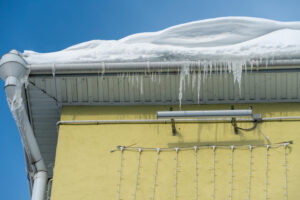
– Large icicles hanging from gutters that weren’t there before
– Thick ice dams building up along the roof’s edge
– Sagging rooflines or dips that weren’t noticeable in the fall
– Shingles that appear curled, loose, or broken
– Water stains on exterior walls or near vents
If giant icicles are forming, it likely means heat is escaping through your attic and melting the bottom layer of snow. That water then refreezes near the edge of the roof, triggering ice dams. These frozen barriers block proper drainage and trap heavy water behind them, increasing the risk of leaks and damage to the roof deck.
Dips or waves across the roof surface are another warning sign, especially when they show up after a storm. If the snow doesn’t seem to be melting evenly or always clumps in the same spot, there’s a chance that area is lower than it should be due to stress or sagging. Your roof should look relatively flat from the ground. Uneven spots, even if they seem slight, are worth checking out. It doesn’t take much for a weakened area to become a failure point.
Take any outdoor change seriously, even if it seems small. Catching exterior red flags early helps prevent much larger repairs or collapse emergencies later.
Emergency Response Steps If Collapse Seems Imminent
If you think your roof may be on the verge of collapsing, staying calm and taking the right steps quickly matters. Panic won’t help, but quick action might minimize danger and make the response more manageable.
Follow this order of steps if things seem off:
1. Safely get everyone, including pets, out of the area beneath the most stressed part of the roof. Bedrooms, living rooms with vaulted ceilings, and attics should be cleared.
2. Don’t attempt to remove snow or ice yourself when you’re already seeing warning signs. Avoid adding weight or shifting loads that could speed up a collapse.
3. Turn off electricity in the affected areas to reduce the risk of electrical hazards in case water starts leaking behind walls or through light fixtures.
4. Take quick photos of any visible warning signs, like sagging drywall, soaked insulation, or warped rooflines. It helps professionals understand the issue faster.
5. Call a licensed roofing contractor in the Dover area for an urgent roof assessment. Let them know upfront if you’ve already cleared the home or if conditions are unsafe.
Avoid walking on the roof or climbing ladders to see for yourself. If the roof is barely holding on, footsteps or pressure could cause it to give way. Instead, focus on getting help from someone who has the tools and experience to deal with the situation safely.
How to Stay Ahead of Winter Roof Trouble
Winter can be unforgiving in Dover. If you’re seeing shifts in your ceiling or watching ice pile up along the eaves, don’t ignore it. Roof damage builds gradually, but collapse can happen fast when it finally gives way.
By staying alert to heavy snow buildup, checking for early stress indoors or out, and knowing when to call in help, you can give your roof the best shot at getting through the season safe and sound. A few minutes of checking things now can help you avoid days or weeks of dealing with major repairs, cleanup, and cold nights in a damaged home.
Weather moves fast, and so do problems when they’re left alone. Keeping tabs and acting when something doesn’t feel right helps protect not just your roof, but everything and everyone underneath it.
Don’t wait until winter weather wreaks havoc on your home. If you’ve spotted any warning signs of roof trouble, trust the experts who understand the local climate challenges. Let the skilled team at J. Carnes & Son Roofing provide peace of mind with their trusted roofers in Dover, NH. We are committed to ensuring your roof stays strong and your home safe throughout the season.