When snow builds up on rooftops across New Hampshire and Southern Maine each winter, it brings more than just pretty views. It can lead to hidden problems that take a toll on your home. One of those problems is the ice dam. These thick ridges of frozen water form near your roof edge and can cause real damage if they aren’t stopped early. The good news is, many ice dam troubles can be avoided with the right roof ventilation.
Ventilation is often overlooked. Homeowners see snow outside but don’t always think about what’s going on up in the attic. That’s where a lot of this trouble starts. Without enough airflow, heated air gets trapped and warms the roof from underneath while the edges stay cold. This uneven melting causes dams to form. Over time, more water can get stuck behind them and sneak under shingles, damaging roof layers and wood framing. That’s why so many homeowners turn to professional roofing services in NH to check ventilation before it leads to a much bigger problem. J. Carnes & Son Roofing is a trusted residential and commercial roofing contractor serving New Hampshire and Southern Maine since 2003, so we see firsthand how proper ventilation can protect local homes each winter.
How Ice Dams Start and Why They Matter
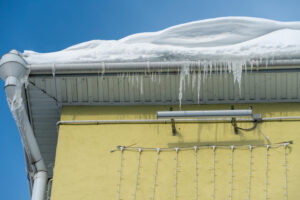
It doesn’t take much for an ice dam to form. Cold weather hits, snow piles up, and if just a bit of heat leaks from the attic, you’ve got the perfect setup. The highest points on the roof often melt first since warmer air rises and escapes through leaks or poorly insulated ceilings. Meltwater runs down the pitch of the roof, but before it reaches the edge, it hits colder surfaces that haven’t warmed up. That’s where it refreezes. Layer after layer turns into a hard ridge of ice near the gutters.
The more it builds, the bigger the risk. Water from melting snow can form puddles behind these ridges. And once it sits there long enough, it starts to find weak points. It seeps beneath shingles, under the felt, and into the wooden deck. The damage can travel further into ceilings or interior walls.
Watch for signs like:
• Large icicles forming along the edge of your roof
• Icicles hanging from gutters or downspouts
• Ceiling stains that show up after snowstorms
• Paint bubbling or peeling around soffits or upper wall corners
These may not seem big at first, but they often point to bigger problems hiding below the surface.
The Purpose of Roof Ventilation During Winter
Good ventilation helps your attic stay cool and dry, even when it’s freezing outside. It helps keep the space above your living area from holding onto warm air, slowing the cycle of snow melting and refreezing. In winter, this balance is key. Too much warmth in the attic means ice dams are more likely.
There are several ways homes around New Hampshire get ventilation:
• Soffit vents run low along the sides of the roof, pulling in colder air from the outside
• Ridge vents release warm air at the peak of the roof where it rises naturally
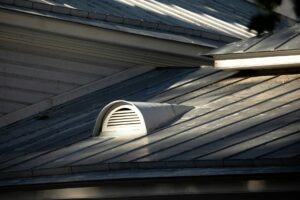
• Gable vents, roof vents, and fans add extra air movement in homes that need extra help
All of these work together to circulate air through the attic. If even one part is blocked or missing, it affects how well the setup works.
Proper airflow also helps stop excess moisture from collecting inside. When warm air gets stuck in the attic, humidity can rise and lead to mildew or condensation on wood surfaces. Over time, that extra moisture can weaken your roof from the inside, even when the outside still looks fine.
What Happens When Roofs Lack Ventilation
When a roof doesn’t have the right ventilation, problems tend to stack up over time. You may not notice them right away, but eventually they cause damage that’s hard to ignore.
Here’s what we often see in homes with poor ventilation:
• Warm air gathers in the attic and melts snow on the upper roof
• Melted water runs down and freezes along the roof edge
• Ice dams form and trap water above the gutters
• Leaks begin under shingles and water spreads into ceilings or walls
• Wet insulation stops working as well, which makes the attic even warmer
• Wood beams or sheathing can rot or warp from long-term moisture
A cycle like this puts a lot of pressure on your roofing system. It also makes heating your home harder, since the insulation affected by leaks can’t do its job. Mold or damp smells in the attic often follow, which may lead to more repairs and cleanup than expected.
How a Roofing Pro Can Help With Ventilation
Spotting a ventilation problem isn’t always simple. That’s why it helps to bring in someone who knows exactly where to look. A roofing expert understands not just where vents are placed, but how the entire system should work together through all four seasons.
When we look over attic ventilation in homes across New Hampshire, we check:
• If soffit vents are blocked by insulation or other debris
• Whether ridge vents are clear and properly installed
• If older homes are missing key airflow areas or need updated venting
• How much heat is escaping into the attic from the living space
After the inspection, we often recommend options like opening up airflow, adjusting insulation, or replacing vents that have stopped working. Many homeowners rely on professional roofing services in NH to help make these updates before ice dams cause costly water damage later in the season. Our team installs premium roof systems using high-quality products and proven installation techniques, so any ventilation upgrades are built to last through New Hampshire winters.
Get Ahead of Ice Dams Before They Start
As winter moves into its final stretch, it’s a smart time to think about what’s happening under the roof. Heavy snow makes it easier for ventilation issues to turn into bigger problems. When ice dams show up, they take hold fast. Catching poor airflow now gives you a better chance to stop leaks and damage before spring thaw.
Roof ventilation might not seem like the most obvious part of winter prep, but it plays a big role. It helps your house breathe and gives snow less chance to do harm. A well-ventilated roof stays stronger, drier, and ready for changing weather. Making small changes now could help prevent bigger headaches throughout the rest of the season. With a clear, straightforward process that begins with a detailed evaluation and continues through open communication and careful implementation, J. Carnes & Son Roofing focuses on solutions that give homeowners long-term confidence in their roofs.
Seeing signs of ice dam damage or uncertainty about your attic’s ventilation can signal hidden weaknesses ready to expose themselves when winter weather hits. Many homeowners trust us to inspect airflow and fix the gaps that lead to trouble. We offer a full range of help with ventilation and insulation through our professional roofing services in NH. Contact J. Carnes & Son Roofing to schedule an attic check before the next snowstorm hits.