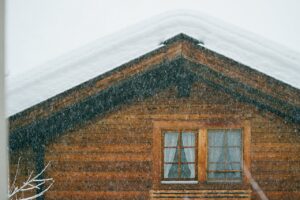
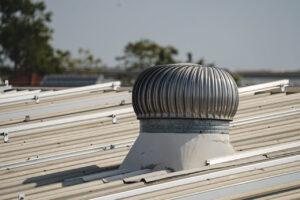
February weather in New Hampshire and Southern Maine usually means long nights, icy winds, and heating systems working around the clock. That kind of cold puts a lot of pressure on how homes hold in warmth. One area that does not get much attention but can make a big difference is the roof venting. Roof vents are meant to help with airflow, but when they are not working right, they can pull warm air out when you need it most.
It is a common issue many homeowners overlook, especially after storms or when snow starts lingering on the roof. Around this time of year, roofing contractors in Exeter start to see signs that vents are not sealed like they once were. The good news is there are simple things to look for now to help stop heat from leaking out so families can stay more comfortable and avoid wasting energy. At J. Carnes & Son Roofing, we work with homeowners in Exeter, NH, and nearby Seacoast towns every winter to diagnose vent issues before they turn into bigger heating problems.
Why Roof Vents Matter During Cold Weather
Even in winter, roof vents are doing their job. They help keep good airflow in the attic, which matters for things like moisture control and overall roof health. But when the vents leak warm air out or let too much cold air in, they can hurt more than they help.
When roofing is not sealed tight or the venting is not balanced, warm air from inside the house rises and gets sucked into the attic. That heat escapes from there, pressing against vents or cracks in the roofline. The constant loss can make heating systems work harder than they should.
Another problem is with drafts that slip through roof vent covers. Over time, the plastic or metal on vent pieces can shift or bend from wind and weather. If those seals open even a little, they act like a small open window letting warm air out all winter long. That is where comfort levels drop and utility bills climb.
Signs That Heat Is Escaping Through Roof Vents
There are a few early signs that give away vent problems before they turn into bigger repairs. One of the most common is noticing that upstairs rooms feel cooler than the rest of the house, even when doors and windows are shut. Heat loves to rise, and when it is disappearing, the top floor feels it first.
Here are a few other hints to watch for:
• Cold rooms or drafts upstairs, especially around ceiling vents or fans
• Heating bills that jump suddenly with no big weather change
• Frost or damp marks inside the attic or on rafters
Sometimes the problem hides in the attic itself. If frost shows up on nails, boards, or items stored up there, it could mean that warm, moist air is meeting cold surfaces and freezing. That means heat is getting loose through every crack it finds. If you see damp insulation or wood that looks like it is sweating, heat loss might already be hitting your home harder than you thought.
Winter Factors That Worsen Heat Loss
Even a well-built roof can struggle if winter storms drag on for weeks. The season brings more than cold weather. It brings wind packed with snow and sleet, and that kind of pressure can make old vent seals give way.
Here are a few common issues that pop up in February:
• Strong winds find weak spots and push cold air into places it does not belong
• Snow and ice may shift or damage plastic vent covers
• Aging vent systems lose their tight fit and start to leak over time
When the temperature swings above and below freezing within a few days, things expand and tighten repeatedly. Roof vents that have been fine for years might suddenly develop small gaps. It often goes unnoticed until you feel the chill creeping back into upstairs rooms.
Simple Checks Before Calling a Roofing Contractor
There is nothing wrong with a quick walkthrough, especially when the snow clears enough to safely move around outside. You do not have to get on your roof to know something is off. Our process always begins with a free inspection and clear evaluation, so you understand what is happening in your attic and on your roof before any repairs are made.
Try checking these things after a cold snap:
• Feel for colder air blowing near ceiling lights or attic doors
• Step into the attic and check for drafts, frost, or a musty smell
• After snowfall, walk around the house and look at your roof vents (if visible) for any obvious gaps or shifted covers
We have helped plenty of homeowners with inspections in these colder months. Roofing contractors in Exeter understand that February snow often hides issues on the roof or around vent edges. If walking the roof is not safe or dry areas feel colder than they should, it is a sign to bring in experienced eyes sooner rather than later.
Keeping Heat Inside as February Winds Down
Late winter is one of the hardest times for roofing systems. It is not quite spring yet, and sudden storms or freeze-thaw patterns can still tear at vents and seals. What feels like a small draft now may be laying the groundwork for bigger water damage issues down the line.
Taking note of how your attic feels, inspecting vent areas for gaps, or checking for frost after storms can help you keep your home warmer and your heating bills under control. Fixing small vent gaps now saves headaches later, once the snow melts and spring rain starts to show where the weaknesses really are.
Treating your roof and attic like part of your heating system, especially in late winter, can keep more warmth where it belongs. A steady check during the coldest stretch of the year is one way to stay a step ahead of hidden problems overhead.
Worried that cold air is sneaking into your upstairs rooms or spotting damp spots in your attic can signal bigger problems as the weather shifts. Small vent gaps or loose covers might seem minor now, yet many homeowners are surprised by how much heat escapes when these issues go unchecked. Trust our experienced roofing contractors in Exeter and J. Carnes & Son Roofing to inspect your home and help secure it before issues escalate. Contact us today to schedule your inspection.