Winter in New Hampshire is tough on every part of a home, but flat roofs get hit the hardest. Cold air, heavy snow, and freezing rain take a toll over time. Unlike pitched roofs that help snow slide off, flat roofs hold it in place. That extra weight and moisture can lead to more leaks, especially during deep freezes. As temperatures rise during the day and drop quickly at night, that melt-refreeze cycle creates some serious stress on the roofing surface.
We see this every year across homes in New Hampshire and Southern Maine. Flat roofs often need extra attention in winter, with water having nowhere to go and problems building up faster. Our commercial roofing crews specialize in flat and low-slope roofing for businesses across New Hampshire, so we see the impact of harsh winters on these systems every day. Knowing why these roofs leak and how to handle it early helps avoid some of the worst water damage. For anyone searching for flat roof repair in New Hampshire, understanding the common causes is the best place to start.
How Snow and Ice Build Up on Flat Roofs
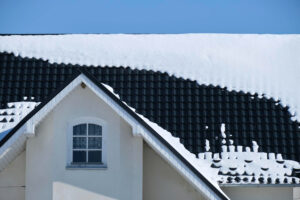
Flat roofs have a different relationship with snow than pitched ones. When snow lands on a sloped roof, gravity does some of the work. It slowly moves the snow off the edge or into gutters. On a flat roof, snow has nowhere to go. It just sits and piles up. More snow means more moisture and more weight.
Over time, snow compresses and turns to ice at the lower layers. When the day warms up, a little of it melts. But that water doesn’t drain well on flat surfaces. If the drains are blocked or underperforming, water lingers and seeps into weak points. When temperatures drop again, that trapped water freezes, expands, and pushes on seams or corners.
This slow build-up creates pressure in places meant to stay sealed. Once those seams open even slightly, they become new paths for water every time snow melts again.
Weak Spots That Tend to Leak First
Not every part of the roof is equally strong. Some areas are more prone to leaks when snow sticks around. These trouble spots often let in moisture first:
• Flashing around vents, skylights, or roof edges
• Sealing around rooftop equipment or chimneys
• Roof corners where seams overlap
These areas expand and contract a little each day. When water sneaks in and freezes overnight, it pushes things apart. After a few cycles like this, those small gaps get bigger.
Then there’s the weight of the snow itself. It doesn’t take much to put stress on a flat roof. Older roofs or ones with soft materials may not handle the pressure well. You might notice signs like:
• Damp-looking patches on ceilings
• Peeling paint or bubbling walls near the roofline
• Water dripping from light fixtures or joints
These are good signs that something’s off above. Catching them early can slow down damage before repairs become larger.
How Freeze-Thaw Cycles Make the Damage Worse
One of the hardest winter challenges is the daily freeze-thaw pattern. In places like New Hampshire, it’s not rare to have above-freezing afternoons followed by deep cold overnight. That kind of change is trouble for a flat roof.
Melting snow in the afternoon turns into puddles, especially around areas that get sun. With low temperatures in the evening, all that standing water freezes again. Ice expands as it forms, and when it does, it pushes into any gaps it can find. That includes tiny cracks and weak seams that weren’t problems before.
Each day, this cycle repeats. Over time, those cracks get deeper and longer. The water starts to reach places it was never meant to be. The roof’s surface may look mostly fine from above, but the damage spreads underneath. Water can work into insulation, puddle under layers, or leak along walls.
Why Quick Action Matters During Cold Months
Once a leak starts in winter, it rarely stops on its own. It only grows. Cold weather traps moisture inside a building, which means the damage can spread into insulation or down through ceilings.
Every part of a roof is connected. A failed edge can lead water into plywood, then into insulation, framing, and more. What starts as a small drip can become softer drywall, soggy beams, or even electrical problems. That’s why winter is a tough time to wait and see.
Being alert helps. If we see signs of water stains or dripping inside, we treat it with urgency. Flat roof repair in New Hampshire is never something to hold off until spring. By then, freeze-thaw patterns will have multiplied any problem that was there in January.
Preventing Future Leaks With Proper Winter Care
Most winter roof leaks come from small problems that were already there. Snow and freezing temperatures just make them worse. Fixes and checks ahead of time make a big difference. We offer free roof consultations that include assessing drainage, seams, and low-slope areas on flat roofs before winter weather sets in.
We always recommend getting ahead of the season when possible, but if snow’s already arrived, care during storms still helps. Focus on areas that often trap water or fail under ice. These include seams, flashing, and low areas with pooling water.
Give attention to roof drains too. When they clog with ice or leaves, water stays much longer than it should. Here are a few things we keep an eye on after storms:
• Making sure drainage paths are clear
• Checking flashing edges for lifting or cracks
• Looking for uneven spots where water tends to sit
Even one quick glance after heavy snow can point out issues before they spread.
Cold Weather Doesn’t Wait: Keep Your Roof Protected
Flat roofs deal with a different kind of winter wear. The pressure from snow and the damage from daily temperature swings add up fast. Once leaks start, they spread quickly and don’t go away in the cold.
Watching for early signs of trouble helps prevent heavy repairs later. Regular checks, especially after big snowstorms, can catch weak areas before a freeze makes them worse. By staying just a little ahead of the season, we can help a roof last longer and work better through the winter. Keeping it dry now means fewer problems once the snow starts to melt.
Even small roof leaks can cause big problems when the weather won’t give you a break. Noticing early signs like ceiling stains or water staying too long after a storm means it’s time to act before winter damage spreads. We have helped many homeowners with reliable solutions for long-lasting protection by keeping moisture out of flat roof systems. When you see water buildup or cold-weather damage, we can help with flat roof repair in New Hampshire. Contact J. Carnes & Son Roofing to schedule a thorough roof check before things get worse.